What Is Paramedical Tattoo Training?

A Life-Changing Career Path in Aesthetics & Healing

Let’s be honest—the beauty industry is crowded. From the endless parade of brow bars to the sea of skin clinics promising glass skin, it feels like there’s nothing new under the sun. But tucked away behind the buzzwords and trends is a specialty that doesn’t just enhance appearances—it restores lives.

Paramedical Tattooing

A career path where art meets healing, and beauty meets science. Intrigued? You should be.

So, What Is Paramedical Tattooing, Anyway?

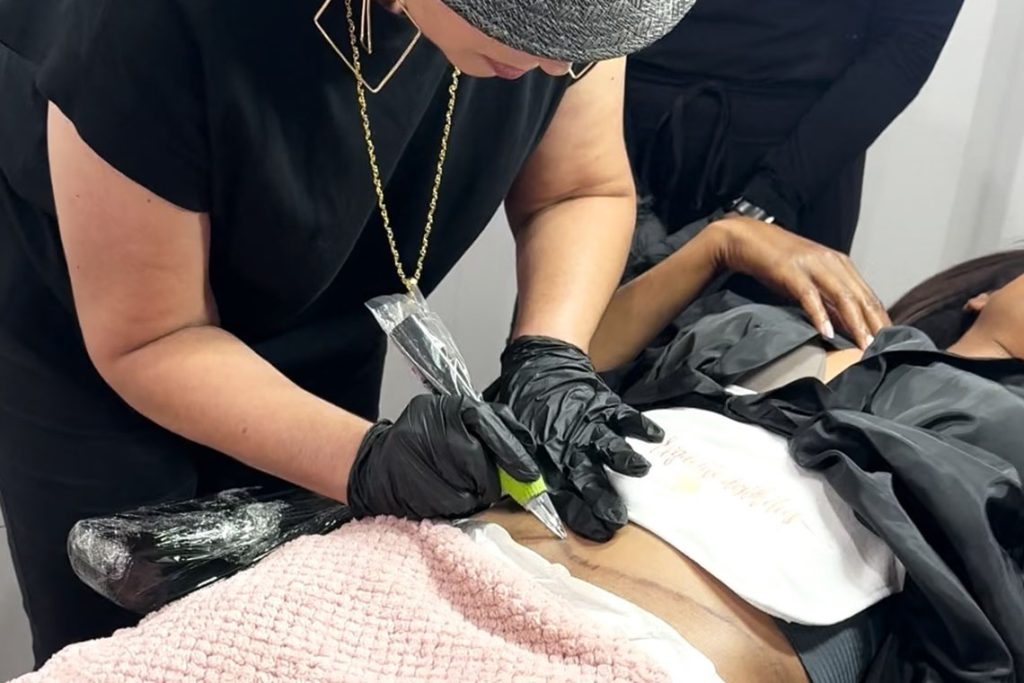
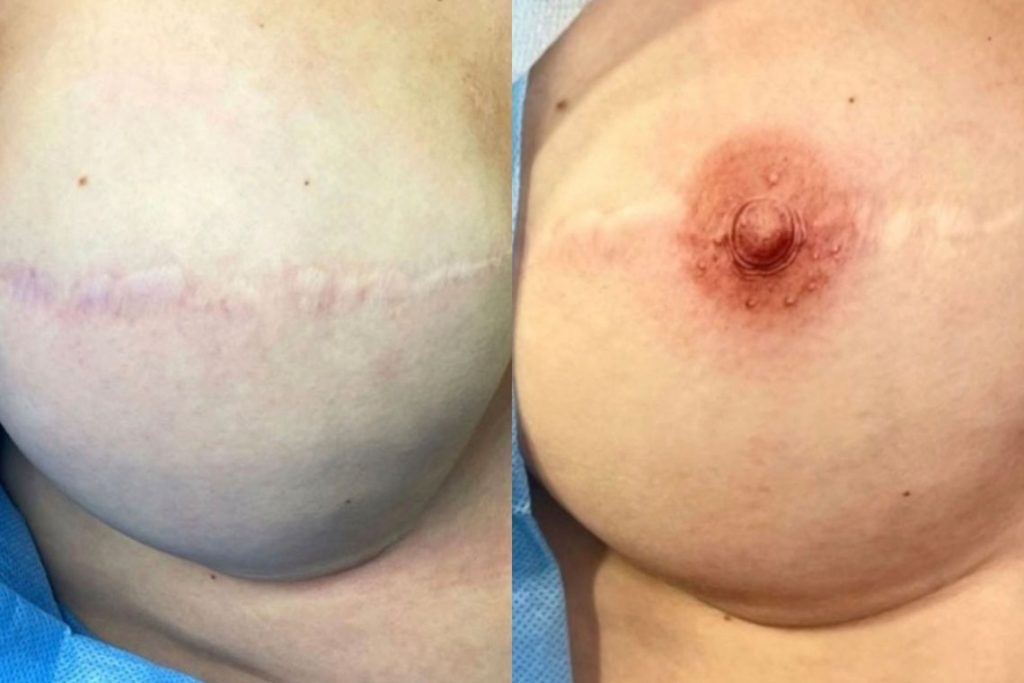
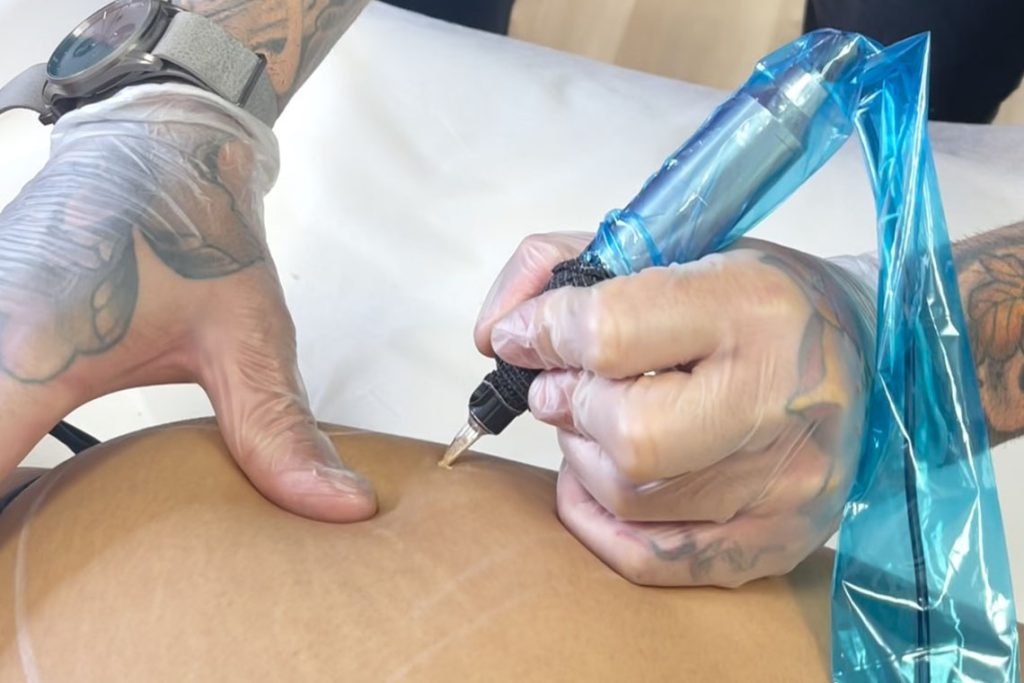
Imagine using a tattoo machine—not to ink butterflies or mandalas—but to help a breast cancer survivor feel whole again after a mastectomy. Or to give someone back their confidence after living with stretch marks or surgical scars they’ve spent years trying to hide.

That’s what paramedical tattoo artists do.
We don’t just decorate skin—we blend, restore, and transform.

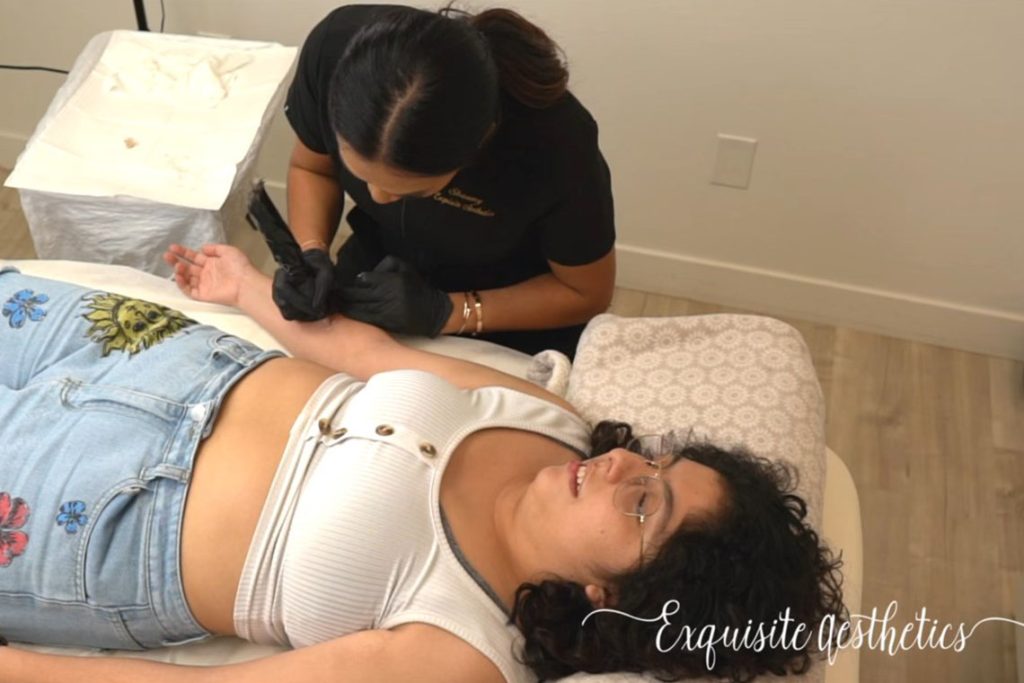
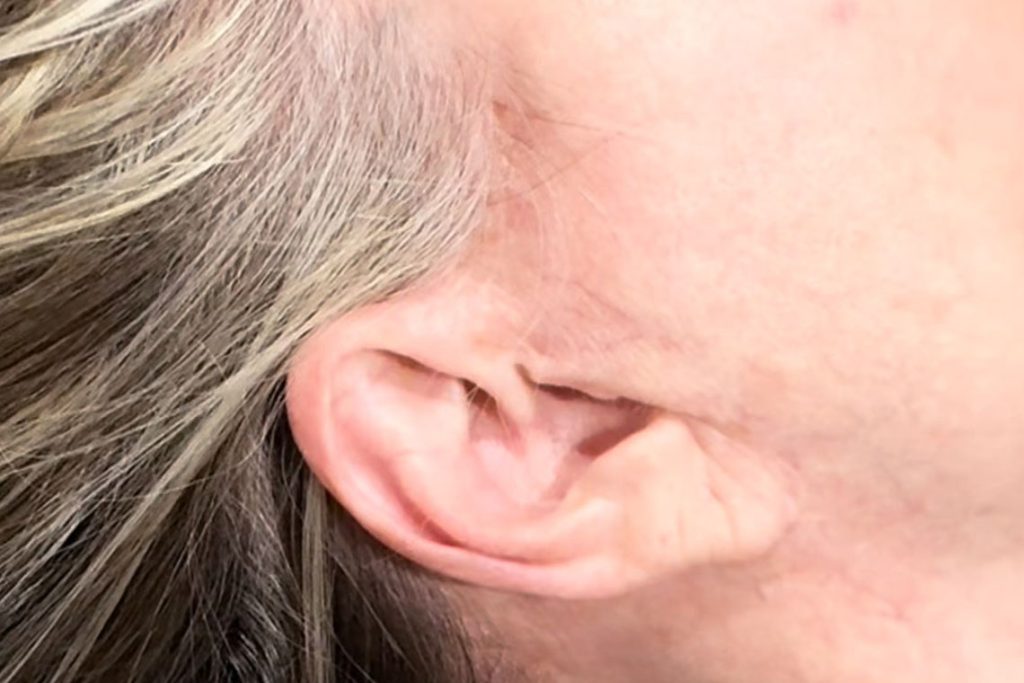
Using skin-tone pigments and advanced camouflage techniques, paramedical tattooing corrects and conceals visible signs of trauma, surgery, and skin damage. Whether it’s 3D areola restorationscar blending, or stretch mark camouflage, this practice turns artistry into emotional healing.

The Surprising Demand You’ve Probably Never Considered

You might be thinking, "Sounds incredible, but is this really a thing?"
Let us assure you—it’s not just a thing, it’s a movement.

Millions of people silently carry the emotional weight of their skin’s story. They’ve tried every lotion, laser, and makeup tutorial on the market—only to find temporary or disappointing results.

From new moms dealing with stretch marks to gender-affirming surgery patients seeking realistic body restoration, the demand is bigger than you might imagine. The only thing missing? More trained professionals to meet it.

Who’s Stepping Into This Career

(And Why You Should Consider It Too)

• Estheticians looking to expand beyond facials and peels.
• Nurses and medical pros who want to offer holistic aftercare.
• Permanent Makeup Artists ready to do more than brows and lips.
• Tattoo Artists looking to specialize in something deeply meaningful.

So whether you're a beauty pro or a medical practitioner, paramedical tattoo training could be your next big move—one that makes a real difference.

What You'll Actually Learn

(Spoiler: It’s More Than Just Technique)

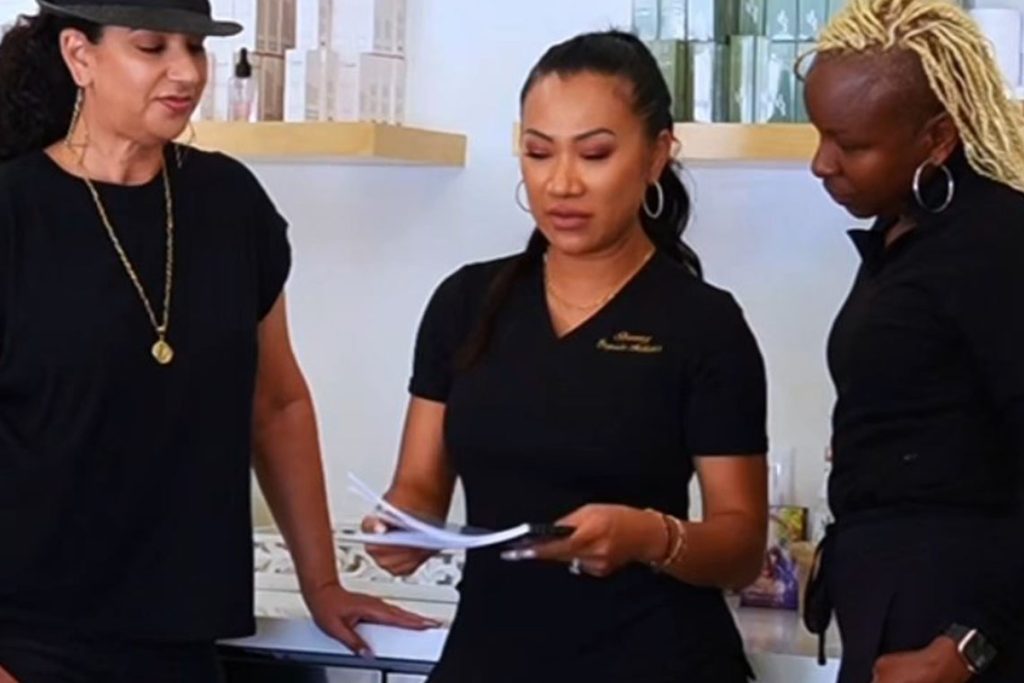
Training at a reputable paramedical tattoo school—like the Exquisite Aesthetics Academy in Redondo Beach—is where your transformation begins.

Here’s what’s on the syllabus:

Scar Camouflage Techniques – Learn how to blend scars so well, they seem to disappear.
• Stretch Mark Camouflage – Offer clients relief from years of feeling “marked.”
• 3D Areola Restoration – Give survivors back what cancer tried to take.
• Color Theory & Skin Matching – Because skin tones aren’t "one-size-fits-all."
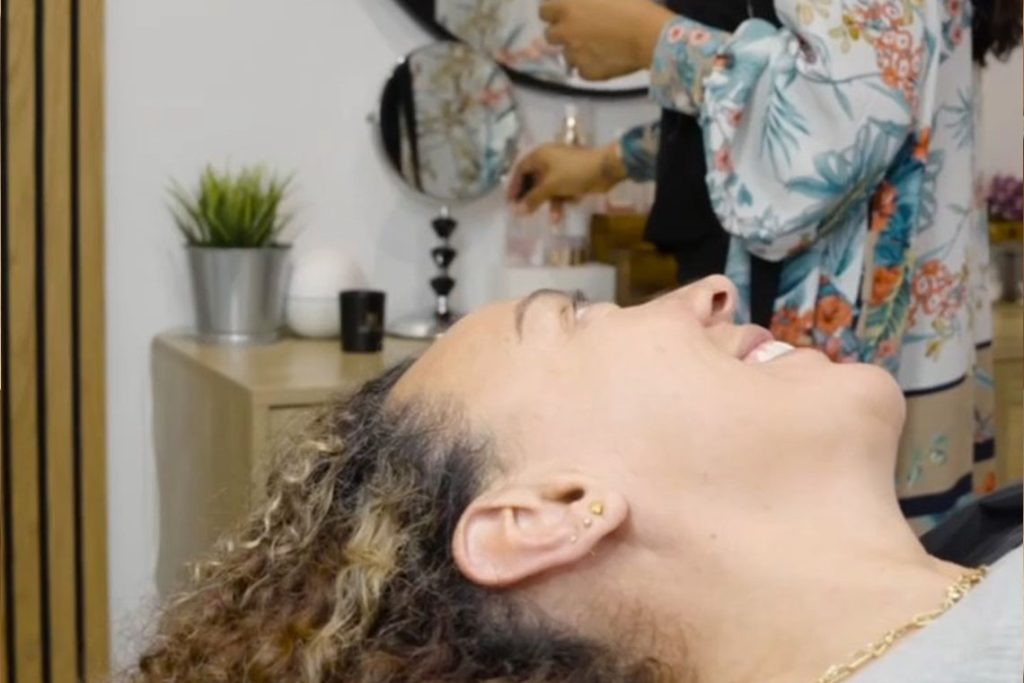
• Client Care & Emotional Support – Because you’re not just tattooing skin, you’re restoring confidence.

And yes, you’ll walk away certified, prepared, and supported for the long haul.

How to Get Started

(And Why Now Is the Perfect Time)

Becoming a Certified Paramedical Tattoo Artist doesn’t require years of schooling or an advanced medical degree. It starts with finding the right program—one that offers hands-on experience, expert mentorship, and real-world application.

If you’re in Southern California, you’re in luck.
Exquisite Aesthetics offers exclusive certification programs in Redondo Beach—just minutes from the heart of LA’s thriving beauty scene.

Because here’s the thing:
The world doesn’t need another generic beauty service.
It needs YOU—skilled, trained, and ready to change lives.

Ready to Take the Next Step?

You already have the heart.
We’ll give you the hands-on training to match.

Learn More About Our Paramedical Tattoo Training Certification →

FOLLOW US

Shipping Policy | Return Policy

Disclaimer: Any Permanent/ Semi-permanent make up is a form of cosmetic tattooing where pigment is placed in the dermal/epidermal layer of the tissue. Retention of the pigment is out of our control, as it is determined by the patient’s skin type, how well they follow after-care procedures, as well as their immune system, therefore no specific result can be 100% guaranteed.